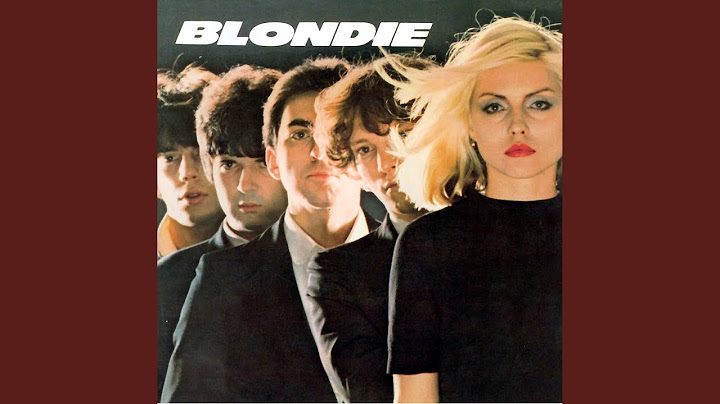
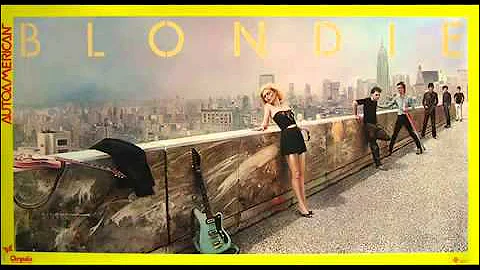
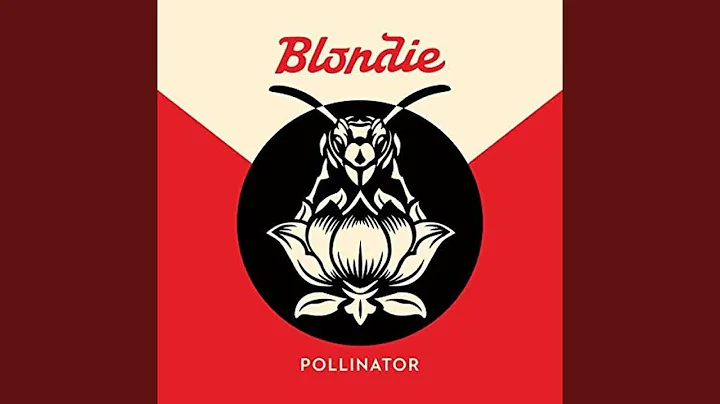
Blondie è una rock band statunitense formatasi a New York nel 1974 dalla cantante Debbie Harry e dal chitarrista Chris Stein. La band è stata un pioniere nel genere new wave americano e nella scena della metà degli anni ’70.
I primi due album della band contenevano anche elementi forti del punk. Sebbene abbia successo nel Regno Unito e in Australia, Blondie è stata considerata come una band underground negli Stati Uniti fino all'uscita del loro terzo album acclamato dalla critica nel 1978, Parallel Lines. Nei due anni successivi, la band pubblicò una serie di singoli di successo, tra cui " Heart of Glass" (US No. 1), "One Way or Another", "Dreaming", "Call Me" (US No. 1), " Atomic ", "The Tide Is High" (US n. 1), e " Rapture " (US No. 1). La band è diventata nota per la sua eclettica miscela di stili musicali, incorporando elementi di discoteca, pop, reggae, funk e musica hip hop primitiva.
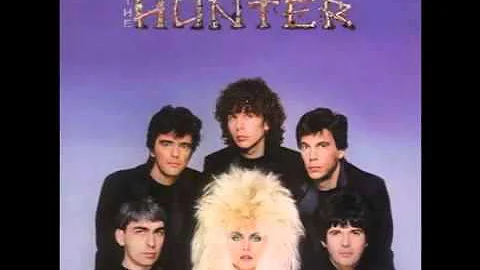
Blondie si sciolse dopo l'uscita del loro sesto album in studio, The Hunter, nel 1982. Harry ha continuato a intraprendere una carriera solista con vari risultati dopo aver preso alcuni anni di pausa per prendersi cura del suo partner Stein, a cui è stato diagnosticato un pemfigo, una rara malattia autoimmune della pelle. La band si è ri-formata nel 1997, ottenendo un rinnovato successo e il loro sesto singolo numero uno nel Regno Unito con " Maria " nel 1999, esattamente 20 anni dopo il loro primo singolo numero uno nel Regno Unito, "Heart of Glass".
Il gruppo ]ha girato e si è esibito in tutto il mondo durante gli anni successivi, ed è stato inserito nella Rock and Roll Hall of Fame nel 2006. Blondie ha venduto oltre 40 milioni di dischi in tutto il mondo e continua a esibirsi attivamente. L'undicesimo album in studio della band, Pollinator, è stato pubblicato il 5 maggio 2017.

Il primo successo commerciale della band arrivò in Australia nel 1977, quando il programma televisivo musicale Countdown trasmise per errore il loro video "In the Flesh", che era il lato B del singolo "X-Offender". Jimmy Destri in seguito attribuì il merito del loro successo iniziale a Molly Meldrum, che suonava il brano sbagliato, commentando che "lo ringraziamo ancora oggi". In un'intervista del 1998, il batterista Burke ricordò di aver visto l'episodio in cui veniva suonata la canzone sbagliata, ma lui e Stein ipotizzarono che potesse essere stato un deliberato sotterfugio da parte di Meldrum. Stein affermò che "X-Offender" era "troppo folle e aggressiva [per diventare una hit]", mentre "In the Flesh" "non era rappresentativa di alcuna sensibilità punk. Nel corso degli anni, ho pensato che probabilmente suonassero entrambe le cose, ma che ne preferissero una. Tutto qui". Col senno di poi, Burke descrisse "In the Flesh" come "un precursore della power ballad". Il singolo raggiunse il secondo posto in Australia e l'album entrò nella top 20 australiana nel novembre 1977. Una successiva pubblicazione "X-Offender" e "Rip Her to Shreds" raggiunse l'81° posto. Seguì un tour australiano di successo nel dicembre 1977, sebbene rovinato da un incidente a Brisbane, quando i fan delusi rischiarono di ribellarsi dopo che Harry aveva annullato un concerto per malattia. Nel febbraio 1978, i Blondie pubblicarono il loro secondo album, Plastic Letters (numero 10 nel Regno Unito, numero 78 negli Stati Uniti, numero 64 in Australia). L'album fu registrato nell'estate del 1977, con il gruppo ufficialmente formato da un quartetto. Frank Infante fu chiamato come turnista per suonare il basso nell'album, ed è accreditato in tutte le edizioni del disco con basso e chitarra ritmica. Stein è accreditato per chitarra solista, basso, e-bow e vibrafono. Plastic Letters fu ampiamente promosso in Europa e Asia dalla Chrysalis Records. Il primo singolo dell'album, "Denis", era una cover del successo del 1963 di Randy and the Rainbows "Denise". Raggiunse il secondo posto nelle classifiche dei singoli britannici, mentre sia l'album che il suo secondo singolo, "(I'm Always Touched by Your) Presence, Dear", raggiunsero la top ten britannica. Il successo in classifica, insieme a un tour di successo nel Regno Unito nel 1978, che includeva un concerto al Roundhouse di Londra, resero i Blondie una delle prime band new wave americane a raggiungere il successo mainstream nel Regno Unito. Dopo l'uscita dell'album, Infante divenne un membro ufficiale della band e passò alla chitarra, e il musicista britannico Nigel Harrison fu assunto come bassista a tempo pieno del gruppo. Questo espanse i Blondie a per la prima volta a sei elementi e segna una stabilizzazione nella formazione della band.

Pagina caricata.
Risultati di traduzione disponibili
Blondie's next single in the US was a more aggressive rock song, "One Way or Another" (US number 24),[3] though in the UK, an alternate single choice, "Sunday Girl", became a number one hit.[26] Parallel Lines has been ranked number 140 on Rolling Stone's list of 500 greatest albums of all time.[35] Blondie, photographed by Annie Leibovitz, was featured on the cover of Rolling Stone magazine in June 1979.[36] The band returned to the studio with Chapman to record their next album in the summer of 1979.[3]
Blondie's fourth album, Eat to the Beat (UK number one,[26] US number seventeen, Australia number nine[24]), also produced by Chapman, was released in September 1979. Although well received by critics as a suitable follow-up to Parallel Lines, the album and its singles failed to achieve the same level of success in the US.[7] In the UK, the album delivered three top 20 hits, including the band's third UK number one ("Atomic", UK number one,[26] US number thirty-nine). The lead track off the album, "Dreaming", reached number two in the UK.[26][3] But it only made it to number 27 in the US. The second single "Union City Blue" (UK number 13[26]) shared the title of a film featuring Harry, directed by Marcus Reichert.[3] Along with the inspiration from the film, "Union City Blue"'s lyrics derived from her living in Union City, New Jersey. She worked various jobs across the Hudson River from Manhattan, noting the scenic skyline and passion she embraced while living there, before giving birth to Blondie. The single was not released in the US in favor of the track "The Hardest Part".[7] Chrysalis Records' Linda Carhart asked Jon Roseman Productions US division to shoot videos for every song and create the first ever video album.[3] David Mallet directed and Paul Flattery produced it at various locations and studios in and around New York.[31] It was nominated for a Grammy, the first year the Recording Academy instituted an award for music videos.[37] At the end of the year, the show filmed at the Apollo theatre in Glasgow was broadcast by the BBC on the Old Grey Whistle Test.[3] In March 1980, "Atomic" reached number one in the UK and the album was certified gold the following month.[3]
Blondie's next single, the Grammy-nominated "Call Me", was the result of Debbie Harry's collaboration with Italian songwriter and producer Giorgio Moroder, who had been responsible for many of Donna Summer's biggest hits. The track was recorded as the title theme of the Richard Gere film American Gigolo.[3] Released in the US in February 1980, "Call Me" spent six consecutive weeks at number one in the US and Canada. Released in the UK in April 1980, it reached number one and became a global hit. The single was also number one on Billboard magazine's 1980 year-end chart.[38] In the summer of 1980, the band appeared in a bit part in the film Roadie starring Meat Loaf. Blondie performed the Johnny Cash song "Ring of Fire", and the live recording was featured on the film soundtrack and on a later CD reissue of the Eat to the Beat
Il quarto album dei Blondie, Eat to the Beat (numero uno nel Regno Unito, numero diciassette negli Stati Uniti, numero nove in Australia), prodotto anch'esso da Chapman, fu pubblicato nel settembre del 1979. Sebbene ben accolto dalla critica come un degno seguito di Parallel Lines, l'album e i singoli non riuscirono a raggiungere lo stesso livello di successo negli Stati Uniti. Nel Regno Unito, l'album ottenne tre successi nella top 20, tra cui il terzo numero uno della band nel Regno Unito ("Atomic", numero uno nel Regno Unito, numero trentanove negli Stati Uniti). Il brano principale dell'album, "Dreaming", raggiunse il secondo posto nel Regno Unito. Ma arrivò solo al numero 27 negli Stati Uniti. Il secondo singolo, "Union City Blue" (numero tredicesimo nel Regno Unito), condivideva il titolo di un film con Harry, diretto da Marcus Reichert. Oltre all'ispirazione del film, il testo di "Union City Blue" derivava dalla sua vita a Union City, nel New Jersey. Svolse diversi lavori dall'altra parte del fiume Hudson rispetto a Manhattan, notando lo skyline panoramico e la passione che aveva coltivato mentre viveva lì, prima di dare alla luce Blondie. Il singolo non fu pubblicato negli Stati Uniti a favore del brano "The Hardest Part". Linda Carhart della Chrysalis Records chiese alla divisione statunitense di Jon Roseman Productions di girare video per ogni canzone e creare il primo album video in assoluto. David Mallet lo diresse e Paul Flattery lo produsse in varie location e studi a New York e dintorni. Fu candidato ai Grammy, il primo anno in cui la Recording Academy istituì un premio per i video musicali. Alla fine dell'anno, lo spettacolo, girato all'Apollo Theatre di Glasgow, fu trasmesso dalla BBC durante l'Old Grey Whistle Test. Nel marzo del 1980, "Atomic" raggiunse il primo posto nelle classifiche del Regno Unito e l'album fu certificato disco d'oro il mese successivo.

Per il breve tour nordamericano (da luglio ad agosto 1982) per promuovere l'album Hunter, il chitarrista Infante fu sostituito dal turnista Eddie Martinez. Alla formazione dal vivo si aggiunsero anche il secondo tastierista Abel Domingues e una sezione fiati a tre composta da Douglas Harris, Joseph Kohanski e Arthur Pugh. Un tour nel Regno Unito e in Europa fu cancellato a causa delle scarse vendite di biglietti.

Harry continuò la sua carriera da solista di discreto successo dopo lo scioglimento della band, pubblicando album nel 1989 e nel 1993 che contribuirono a mantenere la band al centro dell'attenzione pubblica. Nel 1990, si riunì con Stein e Burke per un tour estivo in locali di medie dimensioni, nell'ambito di un pacchetto "Escape from New York" con Jerry Harrison, il Tom Tom Club e i Ramones.
Blondie's next single in the US was a more aggressive rock song, "One Way or Another" (US number 24),[3] though in the UK, an alternate single choice, "Sunday Girl", became a number one hit.[26] Parallel Lines has been ranked number 140 on Rolling Stone's list of 500 greatest albums of all time.[35] Blondie, photographed by Annie Leibovitz, was featured on the cover of Rolling Stone magazine in June 1979.[36] The band returned to the studio with Chapman to record their next album in the summer of 1979.[3]
Blondie's fourth album, Eat to the Beat (UK number one,[26] US number seventeen, Australia number nine[24]), also produced by Chapman, was released in September 1979. Although well received by critics as a suitable follow-up to Parallel Lines, the album and its singles failed to achieve the same level of success in the US.[7] In the UK, the album delivered three top 20 hits, including the band's third UK number one ("Atomic", UK number one,[26] US number thirty-nine). The lead track off the album, "Dreaming", reached number two in the UK.[26][3] But it only made it to number 27 in the US. The second single "Union City Blue" (UK number 13[26]) shared the title of a film featuring Harry, directed by Marcus Reichert.[3] Along with the inspiration from the film, "Union City Blue"'s lyrics derived from her living in Union City, New Jersey. She worked various jobs across the Hudson River from Manhattan, noting the scenic skyline and passion she embraced while living there, before giving birth to Blondie. The single was not released in the US in favor of the track "The Hardest Part".[7] Chrysalis Records' Linda Carhart asked Jon Roseman Productions US division to shoot videos for every song and create the first ever video album.[3] David Mallet directed and Paul Flattery produced it at various locations and studios in and around New York.[31] It was nominated for a Grammy, the first year the Recording Academy instituted an award for music videos.[37] At the end of the year, the show filmed at the Apollo theatre in Glasgow was broadcast by the BBC on the Old Grey Whistle Test.[3] In March 1980, "Atomic" reached number one in the UK and the album was certified gold the following month.[3]
Blondie's next single, the Grammy-nominated "Call Me", was the result of Debbie Harry's collaboration with Italian songwriter and producer Giorgio Moroder, who had been responsible for many of Donna Summer's biggest hits. The track was recorded as the title theme of the Richard Gere film American Gigolo.[3] Released in the US in February 1980, "Call Me" spent six consecutive weeks at number one in the US and Canada. Released in the UK in April 1980, it reached number one and became a global hit. The single was also number one on Billboard magazine's 1980 year-end chart.[38] In the summer of 1980, the band appeared in a bit part in the film Roadie starring Meat Loaf. Blondie performed the Johnny Cash song "Ring of Fire", and the live recording was featured on the film soundtrack and on a later CD reissue of the Eat to the Beat
693 / 5.000
Nel 2004, Jimmy Destri lasciò il gruppo per combattere la tossicodipendenza, lasciando Harry, Stein e Burke gli unici membri della formazione originale rimasti nella band. Nonostante il periodo di riabilitazione di Destri avesse avuto successo, non fu più invitato a rientrare nella band. Intendeva lavorare al loro album del 2011 Panic Of Girls, ma non contribuì né come autore né come musicista al prodotto finale, né a nessuna futura uscita dei Blondie.
Nel 2005, uscì un nuovo cofanetto CD/DVD di successi intitolato Greatest Hits: Sight + Sound, che raggiunse il 48° posto nel Regno Unito.
I Blondie furono co-headliner di un tour con i New Cars nel 2006, pubblicando una cover del successo dei Roxy Music "More than This" a supporto del tour.

I Blondie intrapresero un tour nordamericano in locali di medie dimensioni con Pat Benatar e le Donnas nell'estate del 2009. Dopo il tour, in ottobre, la band iniziò le sessioni di registrazione per il loro nono album in studio con il produttore Jeff Saltzman a Woodstock, New York. Dopo aver suonato con la band per oltre un decennio, sia Foxx (basso) che Carbonara (chitarra) ottennero lo status di membri ufficiali dei Blondie. Anche il tastierista Matt Katz-Bohen, che aveva sostituito Destri, fu nominato membro ufficiale, rendendo i Blondie una band di sei elementi.
Blondie's next single in the US was a more aggressive rock song, "One Way or Another" (US number 24),[3] though in the UK, an alternate single choice, "Sunday Girl", became a number one hit.[26] Parallel Lines has been ranked number 140 on Rolling Stone's list of 500 greatest albums of all time.[35] Blondie, photographed by Annie Leibovitz, was featured on the cover of Rolling Stone magazine in June 1979.[36] The band returned to the studio with Chapman to record their next album in the summer of 1979.[3]
Blondie's fourth album, Eat to the Beat (UK number one,[26] US number seventeen, Australia number nine[24]), also produced by Chapman, was released in September 1979. Although well received by critics as a suitable follow-up to Parallel Lines, the album and its singles failed to achieve the same level of success in the US.[7] In the UK, the album delivered three top 20 hits, including the band's third UK number one ("Atomic", UK number one,[26] US number thirty-nine). The lead track off the album, "Dreaming", reached number two in the UK.[26][3] But it only made it to number 27 in the US. The second single "Union City Blue" (UK number 13[26]) shared the title of a film featuring Harry, directed by Marcus Reichert.[3] Along with the inspiration from the film, "Union City Blue"'s lyrics derived from her living in Union City, New Jersey. She worked various jobs across the Hudson River from Manhattan, noting the scenic skyline and passion she embraced while living there, before giving birth to Blondie. The single was not released in the US in favor of the track "The Hardest Part".[7] Chrysalis Records' Linda Carhart asked Jon Roseman Productions US division to shoot videos for every song and create the first ever video album.[3] David Mallet directed and Paul Flattery produced it at various locations and studios in and around New York.[31] It was nominated for a Grammy, the first year the Recording Academy instituted an award for music videos.[37] At the end of the year, the show filmed at the Apollo theatre in Glasgow was broadcast by the BBC on the Old Grey Whistle Test.[3] In March 1980, "Atomic" reached number one in the UK and the album was certified gold the following month.[3]
Blondie's next single, the Grammy-nominated "Call Me", was the result of Debbie Harry's collaboration with Italian songwriter and producer Giorgio Moroder, who had been responsible for many of Donna Summer's biggest hits. The track was recorded as the title theme of the Richard Gere film American Gigolo.[3] Released in the US in February 1980, "Call Me" spent six consecutive weeks at number one in the US and Canada. Released in the UK in April 1980, it reached number one and became a global hit. The single was also number one on Billboard magazine's 1980 year-end chart.[38] In the summer of 1980, the band appeared in a bit part in the film Roadie starring Meat Loaf. Blondie performed the Johnny Cash song "Ring of Fire", and the live recording was featured on the film soundtrack and on a later CD reissue of the Eat to the Beat
Fu rivelato che l'album della band sarebbe stato pubblicato prima in Australia tramite l'etichetta Sony australiana nel dicembre 2010, ma la Sony in seguito si ritirò dall'accordo, lasciando l'album ancora inedito.[citazione necessaria] La data di uscita dell'album fu finalmente fissata per la metà del 2011 senza il coinvolgimento di una grande etichetta discografica.[citazione necessaria] L'album fu pubblicato per la prima volta nel maggio 2011 come "fan pack" in edizione limitata nel Regno Unito con una rivista di 132 pagine e vari oggetti da collezione, prima di essere pubblicato come CD normale più avanti nell'estate. Il singolo principale "Mother" era stato pubblicato in precedenza come download gratuito. Un video musicale per la canzone è stato pubblicato il 18 maggio 2011. È stato diretto da Laurent Rejto e include cameo di Kate Pierson dei B-52's, James Lorinz (Frankenhooker), Johnny Dynell, Chi Chi Valenti, i Dazzle Dancers, Rob Roth, Barbara Sicuranza, Larry Fessenden, Alan Midgette (sosia di Andy Warhol), The Five Points Band, Guy Furrow, Kitty Boots e Hattie Hathaway. Un secondo singolo estratto dall'album, "What I Heard", è stato disponibile in formato digitale nel luglio 2011.[citazione necessaria]
Il 20 agosto 2011, i Blondie si esibirono dal vivo per "Guitar Center Sessions" su DirecTV. L'episodio includeva un'intervista con il conduttore del programma Nic Harcourt. La band continuò a esibirsi regolarmente in tournée fino al 2012. Un concerto a New York fu trasmesso in diretta streaming su YouTube l'11 ottobre 2012. La stessa settimana, la band pubblicò su Amazon.com tre brani inediti registrati durante le sessioni di Panic of Girls ("Bride of Infinity", "Rock On" e "Dead Air"), che furono resi disponibili per il download gratuito negli Stati Uniti e nel Regno Unito tramite il sito web ufficiale della band. Un altro brano, "Practice Makes Perfect", fu anch'esso reso disponibile per il download gratuito nel novembre 2012.

Il 20 ottobre 2020, i Blondie hanno annunciato che avrebbero intrapreso un tour di dieci date nelle arene del Regno Unito a novembre 2021, con i Garbage come gruppo di apertura. Il tour è stato posticipato ad aprile 2022 a causa della pandemia di COVID-19. Johnny Marr, ex membro degli Smiths, ha sostituito i Garbage nel tour. Successivamente sono state aggiunte altre date negli Stati Uniti. Nell'aprile 2022, prima dell'inizio del tour Regno Unito/Stati Uniti, è stato annunciato che Stein non avrebbe potuto partecipare al tour con il gruppo a causa di problemi cardiaci. "Soffro di una patologia assurda chiamata fibrillazione atriale o fibrillazione atriale, che consiste in un battito cardiaco irregolare e, in combinazione con i farmaci che prendo, sono troppo stanco per gestirla", ha detto Stein. È stato sostituito da Andee Blacksugar. Anche il bassista Foxx era assente a causa di un infortunio alla schiena. L'ex bassista dei Sex Pistols Glen Matlock ha sostituito Foxx. Matlock ha anche registrato con la band per il prossimo album dei Blondie.
2024–presente Dodicesimo album in studio in uscita, High Noon